We Are People / Somos Personas: An Ethical, Multilingual, and Evidence-Based Campaign
Amnesty International Americas | Amnesty International USA
Country (ies): Mexico, United States
Scope: Continental (Americas) | Global
Year: 2022
01
CONTEXT
A year after painful and openly racist images circulated from Del Rio, Texas—where border agents on horseback used excessive force against Black Haitian asylum seekers, evoking associations with slavery—Amnesty International published the report "They did not treat us like people". The report documents the continuity of arbitrary detention, mass expulsions, and torture and other ill-treatment related to race and migration exercised by US authorities against Haitians seeking international protection.
Due to the nature of the issue, the report inserts itself into a cross-border conversation: it not only challenges the US but also the migration route and the policies of protection and expulsion across the continent, resonating with global human rights and racial justice audiences.

02
CHALLENGE
Converting a technical report—of high political and human sensitivity—into a campaign maintaining precision, dignity, and coherence, avoiding re-victimization, stereotypes, or visual extractivism. Simultaneously, ensuring alignment between research, spokespersons, messages, and public activation, coordinating teams from Mexico and the US, and operating in multiple languages.
03
SOLUTION
The We Are People / Somos Personas campaign was co-created with researchers and Amnesty International campaign teams (Mexico and the US) as an integrated communication system to disseminate and amplify the report's findings within a high-scrutiny public conversation.
The campaign was built upon three pillars:
- Evidence-based narrative ready for advocacy: Translating the report's findings into a clear and consistent message architecture—with a human rights and racial justice focus—defining audiences, communication objectives, and amplification routes to sustain coherence between research, spokespersons, and actions.
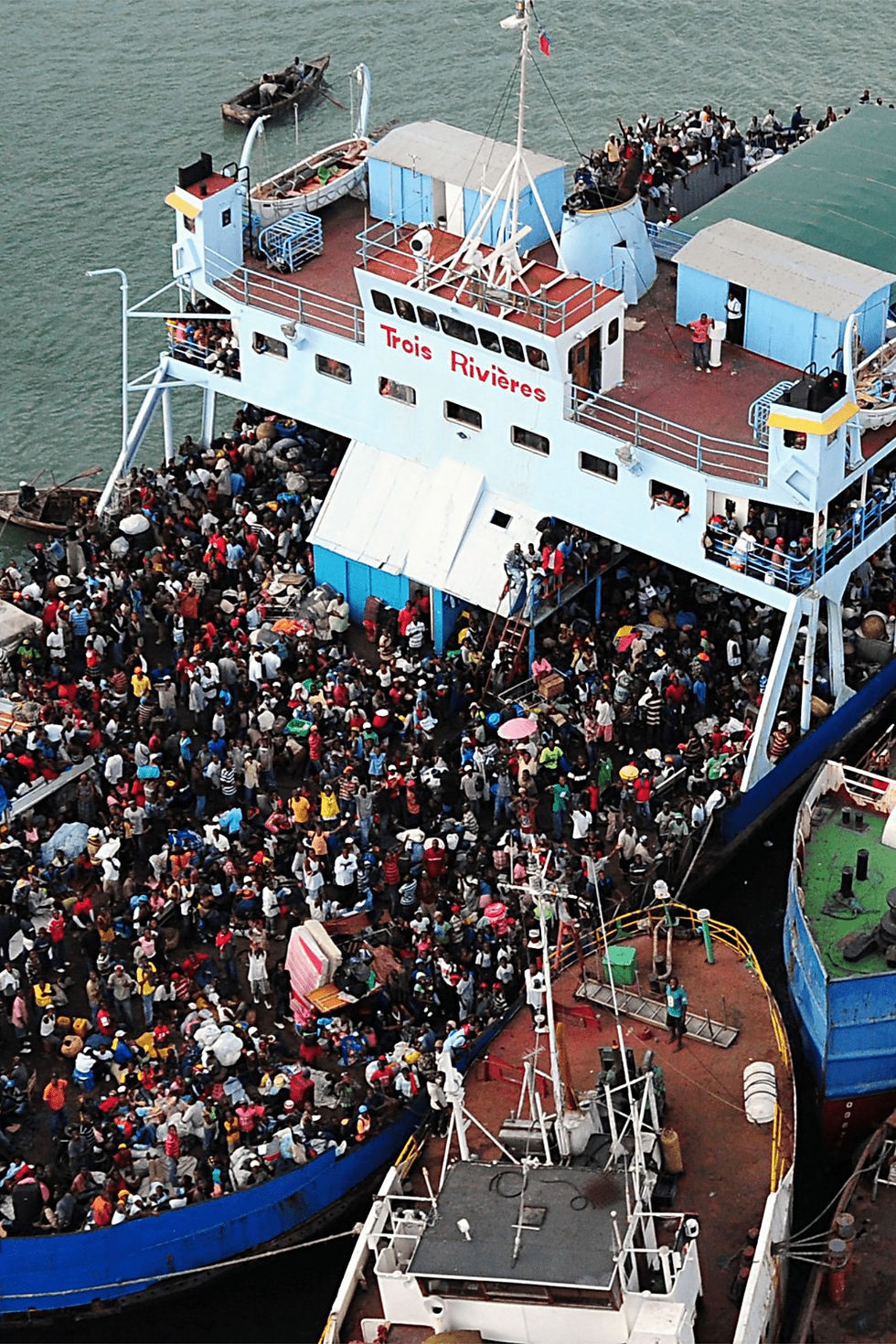
- Ethical representation as a campaign standard: Designing a visual and audiovisual line with explicit criteria for dignity and representation: working exclusively with photos and videos of Haitians on the move, avoiding stereotypes, re-victimization, or generic visual resources. This ensured legitimate, respectful communication aligned with the report's framework.
- Multi-channel activation and coordinated launch: Structuring a bilingual launch pack (Spanish and English) to enable a coordinated and consistent release across territories, integrating resources for digital dissemination and in-person actions. As a central accessible dissemination piece, an informative video was produced in Spanish, English, and Haitian Kreyòl, reinforcing linguistic accessibility and narrative consistency.

04
IMPACT
Main result: A campaign enabling Amnesty International to launch and sustain the public conversation around the report with binational coherence and continental relevance, taking care of the ethical standard of representation on a highly sensitive issue.
- Dignity and legitimacy in representation: The visual focus based on Haitians on the move sustained a framework of rights and agency, avoiding stereotypes and re-victimization.
- Coherence between research and campaign: Co-creation with researchers and teams from Mexico and the US aligned evidence, messages, and creativity, strengthening consistency and reducing risks of misinterpretation.
- Multilingual launch for diverse audiences: The launch pack in Spanish and English and the audiovisual component in Spanish, English, and Creole facilitated understanding and use of the message by different audiences, inside and outside the continent.
- Campaign prepared for public activation: The resource system allowed the message to be deployed across digital channels and in-person actions in an orderly and consistent manner.
